Advertisement

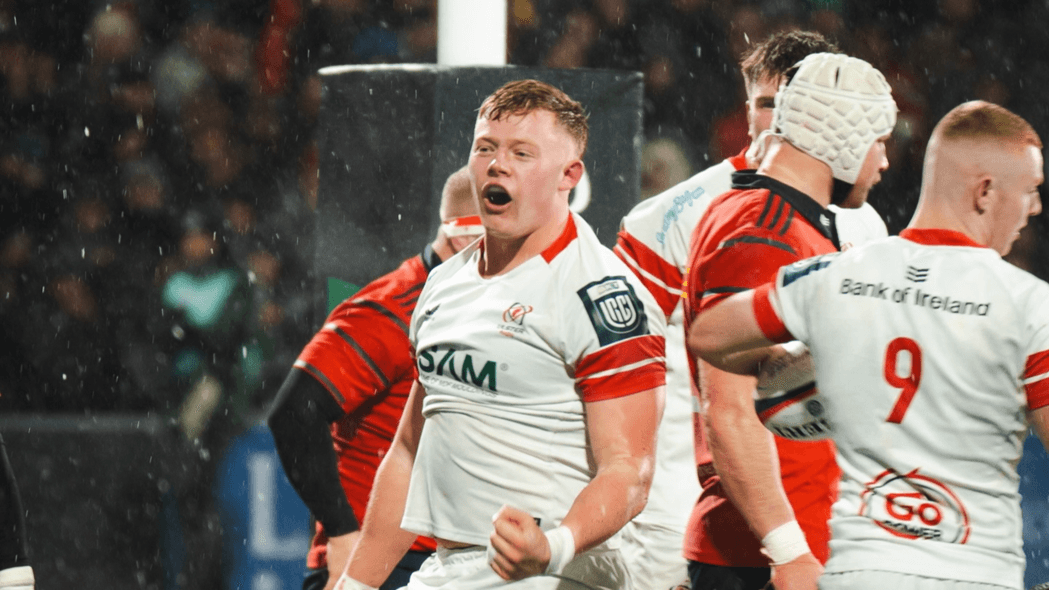
Last season was horrendous for Ulster. They finished a lowly 14th in the league, bottom of all the Irish teams, and they had the joint 2nd most tries conceded of any side. At the halfway mark of this season, however, they are 6th in the league with a game in hand on 4 of the teams above them. They have the 3rd best points difference in the league, have scored the 3rd most tries, and are joint first for bonus points.
So, what changed? And, more importantly, will their form continue through to the end of the season? Let’s crunch the numbers from Opta’s theanalyst.com to find out…
The personnel changes Ulster made during the off season were small, but impactful. Amongst the playing staff, there were 2 non-Irish-qualified marquee signings: South African Juarno Augustus and Wallabies loose-head Angus Bell. Neither have torn up trees yet since arriving in Belfast (neither has played more than about 450 minutes) but they were ambitious signings that signalled serious intent. Meanwhile, club legend John Cooney departed and stalwart Keiran Treadwell returned to Harlequins. Impactful changes, but not exactly a squad overhaul.
Far more significant were the changes to the coaching ticket. Head coach Richie Murphy was under significant pressure following the dire performances last season, but rather than move him on, the province opted to bring in reinforcements. Attack coach Mark Sexton and Willie Faloon were both brought in from Connacht and are proving a hit so far up north.
“I can safely say that the coaching set up has made an immediate impact” says Adam Latham, Ulster fan and podcaster “Giving Richie (Murphy) the coaches he had from his previous job at Ireland U20s seems to be working perfectly.” This is a sentiment the Ulster hierarchy appear to agree with, having handed the whole coaching team a contract extension until 2028.
The impact of Sexton is easy to see from the stats: not only are Ulster on track to beat their try scoring record from last season by around 20, but their ability to convert line breaks into tries is the 2nd best in the URC (46%). Their tackle evasion and gainline success are both the 3rd best in the URC, which are the hallmarks of a strong attacking side.
They are averaging a try ever 8.5 possessions, the best of any URC team, and are excellent at converting platforms within 10 metres of the opposition line into tries (50%). All of these stats are particularly impressive considering the large amount of possessions Ulster tend to have, which should bring their percentages down.
“I think the biggest difference [compared to last season] is our freedom with how we play in attack” says Adam, “the fluidness of attack shows every player knows where they need to be… The squad seems like they are enjoying the rugby they are playing and the result that have come with it.”
One stat that underlines the consistency of Ulster’s attack is the number of 22m entries they are making. The are averaging over 10 entries per 80 across all competitions so far this season and have registered 10 or more entries in 8 games. Even if they only achieved an middling 22m conversion rate, this should result in around 28+ points per match. They are currently averaging 3.2 points per entry, although it is notable this figure has been trending downwards in recent games.
Ulster are best described as a high ball in play team who play wide across long spells of possession. In fact, Ulster are the most likely team in the URC to play wider than 20 metres (12%) and pass the ball beyond the first receiver (31%). Their attacks are the 3rd most likely to go beyond 5 phases (19%) and they are the 3rd least likely team top score of first phase, again showing they prefer longer spells of possession than most of their rivals. The South African sides, for instance, play far more narrow and for much shorter spells. Glasgow would be an example of a team whose approach is more similar to Ulster’s.
A tactic Ulster don’t tend to utilise is attacking kicks. They are 2nd top of the league for exiting their own 22m via kicks, with scrum-half Nathan Doak having the most kick metres of any player in the league, but their total kicks overall is the 2nd lowest in the league. Furthermore, just 38% of their possessions are ended by a kick, compared to a team like the Leicester Tigers who are closer to 50%.
By comparison, Faloon’s approach in defence is harder to define from stats alone. Nominally, Ulster are conceding an average of 2.9 tries per game, which is the 5th best in the URC. However, how they achieve that is far from obvious; Ulster have the 4th lowest gainline denial in the league (27%) and the 3rd lowest dominant tackles per 80 (4.4). These stats being low can sometimes be indicative of a team targeting ruck turnovers, but Ulster are just 10th in the league for frequency of jackal attempts.
Their overall tackle success is strong but not spectacular at 88% but just 26% of their missed tackles lead to a line break or a try. It is possible that Ulster’s primary form of defence is to limit opposition opportunities by dominating possession and territory. For instance, against the Scarlets in the last round, they spent 27 straight minutes attacking in the opposition 22m. This theory is supported by the fact they are averaging just 7.6 22m entries conceded per game, over 25% less than what they are achieving themselves.
If Ulster do have a weakness, it is their set piece. Their scrum success is the 3rd lowest in the league, they win just 2% of opposition scrums – rock bottom of the URC in this metric – and they have won the 2nd fewest scrum penalties of any side. Whilst they are better at stealing opposition lineout (15%) they are less reliable on their own throws, once again the 3rd worst in the league. This partially explains why they are the 3rd least likely team to score a maul try in the URC and just 50% of their total tries originate from set piece, the lowest of any side in the league. Even their restarts are somewhat poor, ranking in the bottom.
The lack of gainline denial, tackle dominance and a reliable set piece suggests Ulster could struggle when facing the top sides in the URC, who tend to excel in these stats. This may have been what happened in their first loss of this season, which came against the Sharks who are very physical and have a very strong set piece. Ominously, Ulster have only played 3 sides currently placed in the URC top 8, losing 2 of them. However, both defeats were away from home and the only top side they will face away from home in the 2nd half of the season is Munster. Tantalisingly, Glasgow, Leinster, and Stormers all must travel to Belfast in the final 4 rounds.
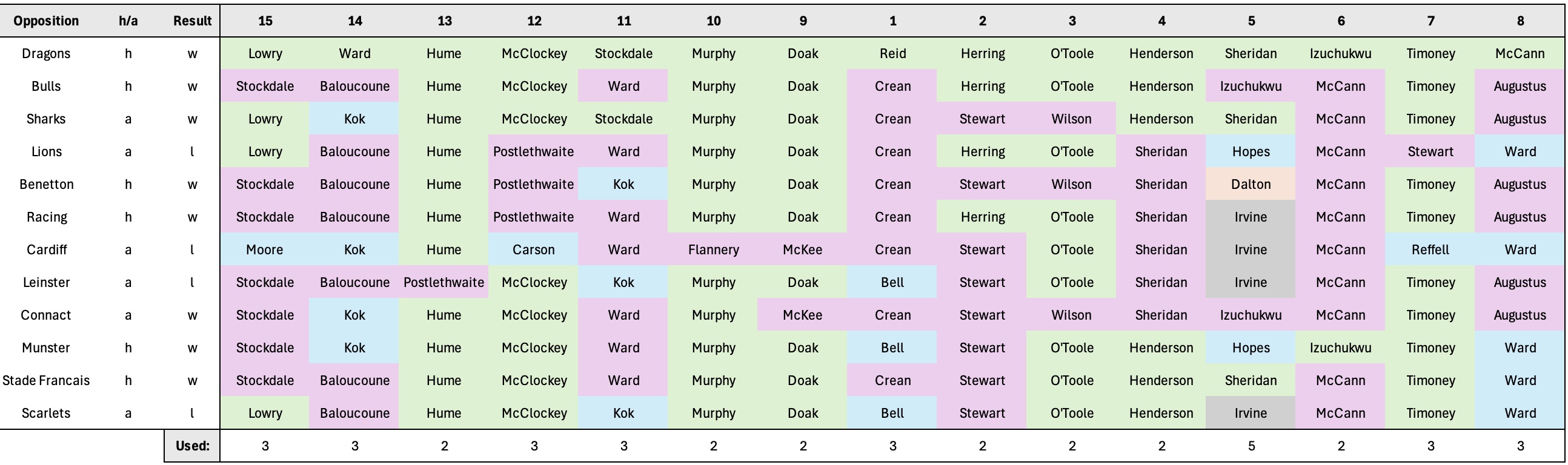
Something that stands out when reviewing the Ulster’s team sheets this season is the clarity and consistency in selections. Last season, they team was heavily disrupted by injuries and have historically struggled to keep their Ireland internationals fit. This season, the only game they have rotated heavily in is Cardiff away (which they lost). Excluding that game, Ulster have started 2 or fewer players in 10 positions.
For instance, outside centre James Hume and Flanker Dave McCann have started all but 1 game whilst scrum-half Nathan Doak and fly-half Jack Murphy have started all but 2 games together. The only position they have started more than 3 players this season is tight-head lock (number 5). This suggests the coaches have a clear vision of what their strongest side is and who comes in if players are injured or rested.
 “Doak has excelled in the nine jersey and become a real leader” says Adam, “and he’s one of the best kickers in the URC!”
His halfback partner Murphy is a real success story for Munster. Aged just 21, he was only promoted from the academy during the summer, but has missed just 1 game so far this season. Management of academy talent is something else Adam praises the coaches for getting right: “These coaches have had to deal with different squads every year of their careers, in a way our lack of depth has almost benefited us; they’re not afraid to chuck in academy talent and they back them to perform… The Ward brothers have been a revelation; Brynn has made such an impact in just a handful of games he already has an Ireland XV call-up.”
Above the youngsters, Adam says the senior players are playing some of their best rugby for years: “I think there’s a lot of choices when it comes to star players, Zac [Ward] topping the charts in metres made… Tom Stewart also getting back into form and putting his hand up for Ireland selection. I’d honestly love to name every player because all of them have made an impact in different ways!”
So, will Ulster maintain their strong start to the season and even challenge for the URC title? The underlying stats suggest they will continue to generate enough try scoring opportunities to win games. Their cohesion, so long as they don’t suffer an injury crisis, will be very high by the end of the season and the team has a clear identify in terms of playing style.
Their somewhat passive defence could be exposed by the more physical teams, as could their below average set piece. A match-up with a team like the Stormers, whose stats are almost the polar opposite of Ulster’s, would provide a fascinating contest. Meanwhile, a team like Glasgow are more similar to Ulster but post stronger numbers in most metrics. Fortunately for Ulster, they face both of those sides at home.
Most importantly, though, it is clear the fans feel connected to this team. They have affection for the players, a belief in the coaches and are drawn in by the style of play. Those fans will have a huge role to play in the final 4 games of the season when the big teams come to Belfast; a home semi-final is difficult… but possible.